Lucky number for today: one is shared, one is yours
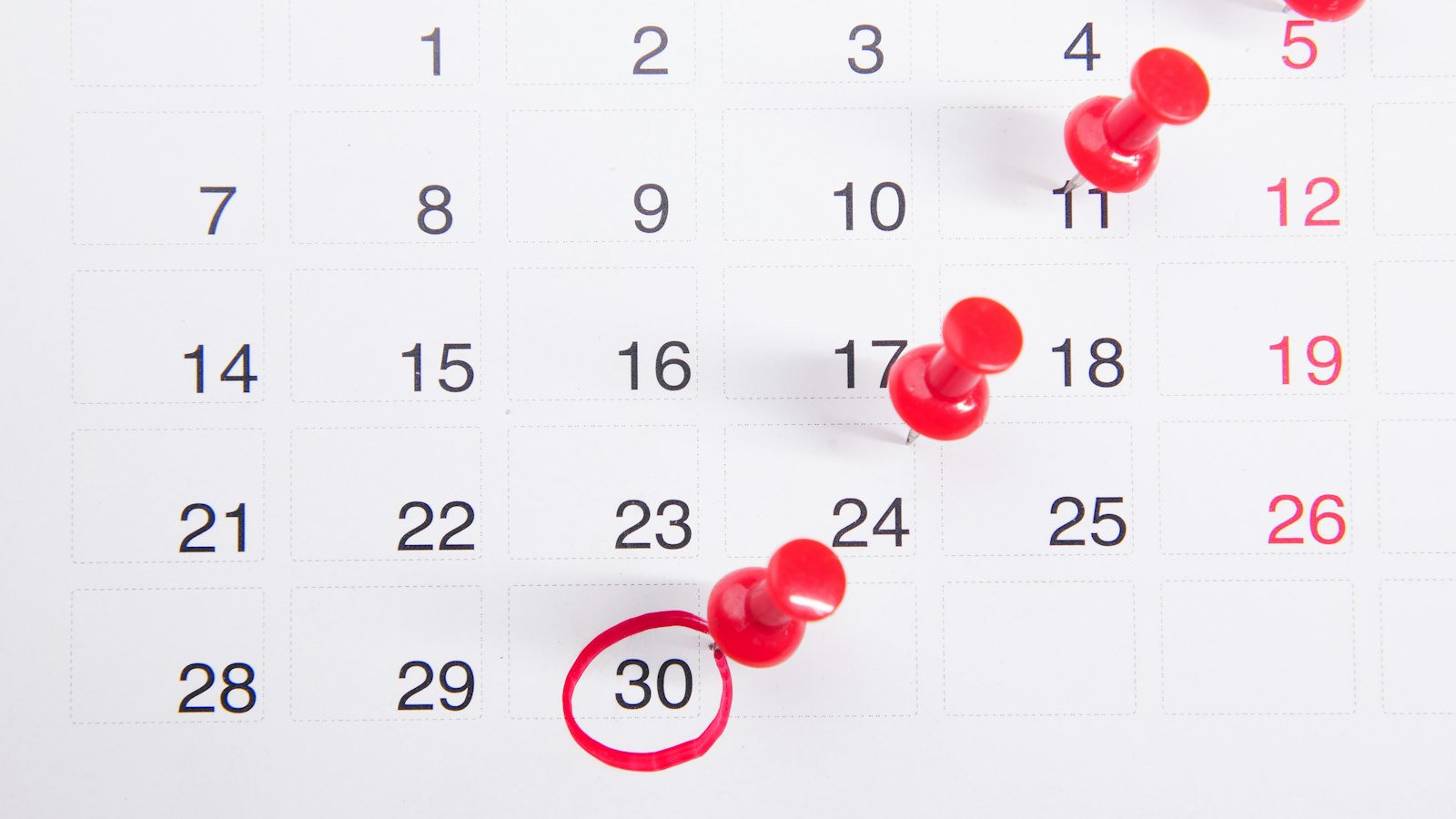
There is no single lucky number for today, because the question hides two different calculations. The first is the universal day number: add every digit of today's date (day, month and year), reduce to one digit, and every person on earth gets the same answer. The second is the personal day number, which starts the same way but adds your birth month and birth day, so yours differs from your neighbor's. A site that never asks your birthday is selling you the first one with a luckier name.
The number everyone shares today
Take the date you are reading this and add up its digits, nothing else. On October 15, 2026 that is 1 + 5 from the day, 1 + 0 from the month, 2 + 0 + 2 + 6 from the year, which is 17, and 1 + 7 brings it down to 8. That is the universal day number, and it is the same 8 for every human alive on that date. There is no birth name in it, no birth hour, no table of letters. It is calendar arithmetic.
Half the pages that rank for "lucky number today" stop right here. They publish one number per date, wrap it in language about money or love, and never ask you a single question about yourself. Once you have seen the addition, you can recognize the move: if the page does not ask for your birthday, the number it hands you is the one your cat also has today.
The number that changes when the birthday does
The personal day number adds your birth month and birth day to the digits of the current date, then reduces. Born March 14? On October 15, 2026 you take 3 + 14, which is your fixed part, plus 2026 + 10 + 15, which is today's part: 17 + 2051 = 2068. Sum the digits: 2 + 0 + 6 + 8 = 16, then 1 + 6 = 7. Your neighbor born on a different day walks the same street with a different number, which is the only reason the daily calculation feels personal.
One housekeeping note on reduction. Traditions disagree about master numbers, and this site keeps 11, 22, 28 and 33 unreduced when a sum lands exactly on them. October 29, 2026 is the clean example: the day digits give 2 + 9 = 11, the month gives 1, the year gives 10, the total is 22, and the universal day reads 22 rather than 4. Any page you read should state its reduction rule, because a site that collapses 22 to 4 and a site that preserves it will disagree about the same date while running identical arithmetic.
How to tell which one you are being sold
Ask one question of the page: does it know when you were born? If no, you are looking at a universal day forecast wearing the word lucky. If yes, check what it does with your answer. Some daily pages fold your birthday in once, at the year level (that is a personal year, and it changes roughly annually, not daily), and then reuse the shared date number underneath it. A real personal day recalculates from your birth month and day every single day.
The confusion is not new, and it is the same split this site draws everywhere else: the universal figure is the weather of the day, the personal figure is the weather of your day. Neither one is luck in the sense a lottery is luck. Treat the number as a prompt for a small decision, a conversation to have, a thing to start, not as a forecast of an outcome. That is the honest end of the tradition, and if a page promises a specific windfall on a specific date, it has left the tradition and entered marketing.
Working out days by hand is one thing; the fixed numbers in your own chart are another. Get your full numerology reportSee your complete number chart
Run both numbers yourself
The universal day calculator on this site does the date-only addition for any day you pick, and the personal day calculator adds your birthday and shows the difference side by side, which is the fastest way to internalize that these are two questions wearing one phrasing. If you came here for the number that never changes, the birthday-based page on lucky numbers by date of birth covers that third figure, the birth-day reduction, which daily sites like to blur into today's math.
None of these tools predict anything, and the two calculations take about ten seconds each by hand once you know which digits to add. That is the whole skill the daily crowd is being sold: a shared calendar number dressed as personal fortune, or a personal number nobody bothered to explain the arithmetic behind. Now you can tell them apart in either direction.
Common questions
What is my lucky number for today?
Two answers exist. The universal day number is the digits of today's date added and reduced, identical for everyone. Your personal day number also adds your birth month and birth day, so it is yours alone. Decide which question you are actually asking, then run that one.
Why do different websites give different lucky numbers for the same day?
Most commonly, some are showing universal day and others personal day, and a few differ because of reduction rules: whether an 11, 22, 28 or 33 total is kept or collapsed further. Same tradition, different house rules.
How do I calculate the universal day number?
Add the digits of the day, the month and the year, then reduce the total to a single digit. For October 15, 2026: 1+5 + 1+0 + 2+0+2+6 = 17, then 1+7 = 8.
How do I calculate my personal day number?
Add your birth month plus birth day to the current year, month and day as numbers, then digit-sum the result down to one digit. Born March 14 on October 15, 2026: 3 + 14 + 2026 + 10 + 15 = 2068, and 2+0+6+8 = 16, down to 7.
Is today's lucky number the same as my birthday number?
No. The birthday number comes only from the day of the month you were born and never changes. The universal day changes every day and is shared by everyone, and the personal day changes every day but is keyed to your birthday.
More on the method
- Angel number 222: what it means when it keeps showing up
- Angel numbers chart: the meanings, the math, and the honest take
- Angel number 444: the structure number, tripled
- Astrology reading vs horoscope app: what's actually different
- Attitude number, sun number, power number: which math is which
- August 2026: the month that leaves every day its own energy
- Ben ming nian: surviving your own zodiac year
- Best day to launch a business, worked through
- Best days to move house in 2026, scored day by day
- Best days to move house in 2027, scored day by day
- Lucky directions in 2026: the year and every month on the compass
- Best days in November 2026, numbered and sorted
- Best day to sign a contract, by the numbers
- 11/11 and 12/12 portals in 2026: real dates, real math
- Best wedding dates for 2027, by the numbers
- Birthday number vs life path number
- Born on the 1st, 10th or 19th: the other 1 birthdays
- Born on the 28th of the month
- Business name numerology, without the superstition
- Can a psychic tell if your partner is cheating?
- Chinese New Year 2027: date, animal, element
- Chinese zodiac enemy signs and secret friends
- The five elements in Chinese astrology
- Your inner animal: Chinese zodiac signs by hour of birth
- Which Chinese zodiac signs should not marry
- The four trines: which zodiac animals are allies
- December 2026: the month that wants structure under the holidays
- Dreaming of numbers: what repeating digits in dreams mean
- Empath protection and energy cleansing: what a session actually involves
- Enemy numbers in numerology
- Fire Horse babies: the 1966 superstition and 2026
- Free psychic reading minutes: how the offers actually work
- Horse year check-in: Dragon to Goat
- Horse year check-in: Monkey to Pig
- Second half of the Horse year: Rat to Rabbit check-in
- How to calculate a universal day number
- How to choose a psychic reader
- How to tell if a psychic is real
- Important ages in numerology
- Is numerology biblical? The honest reading of the verses
- Is numerology real? The answer, in both directions
- Karmic debt numbers 13, 14, 16 and 19
- Friendly and enemy numbers for life paths 1, 5 and 9
- Life path 1 born in a Dragon year
- Life path 11 born in a Horse year
- Friendly and enemy numbers for life paths 2, 7 and 8
- Life path 2 born in a Dog year
- Life path 22 born in an Ox year
- Life path 28/1: the long way to a 1
- Friendly and enemy numbers for life paths 3, 4 and 5
- Life path 3 born in a Tiger year
- How rare is a 33 life path, really
- Life path 4 born in a Goat year
- Life path 5 born in a Horse year
- Life path 6 born in a Rabbit year
- Life path 7 born in a Snake year
- Life path 8 born in a Rat year
- Life path 9 born in a Pig year
- Live numerology reading: what it adds over a report
- The luckiest life path numbers, ranked honestly
- The three numbers your date of birth already gives you
- Which numbers can undo a master number
- Master numbers 11, 22 and 33
- Medium vs psychic: the actual difference
- November 2026: the month that won't stop talking
- How the numbers-and-animals system fits together
- Same birthday, different numbers: the rule behind the disagreement
- Numerology reading vs psychic reading
- October 2026: the month every day needs a partner
- Past life reading: what actually happens
- Personal day number meanings
- Personal day vs universal day number: two figures, one date
- Personal year 9 in 2026
- Your personal year number for 2027
- Personal year number meanings
- Pet medium reading: what actually happens in a session
- Can a psychic give you lucky numbers?
- A career reading when the money numbers say wait
- Psychic readings by chat, phone or video
- Seeing 28 everywhere: what it means
- September 2026: the month that steps every day forward
- Soulmate reading: psychic vs numerology
- Tarot reading vs psychic reading: which to book
- Universal day number meanings
- Universal month number: the arithmetic, month by month
- Universal year 2027: why the year is written 11/2
- What element is your Chinese zodiac sign
- Energy healing: what it is and what to expect
- What to ask a psychic in your first reading
- Will my ex come back? What a love reading can and cannot tell you
- Year of the Goat 2027: an early preview
- Try it on any date with the calculator