What to ask a psychic in your first reading
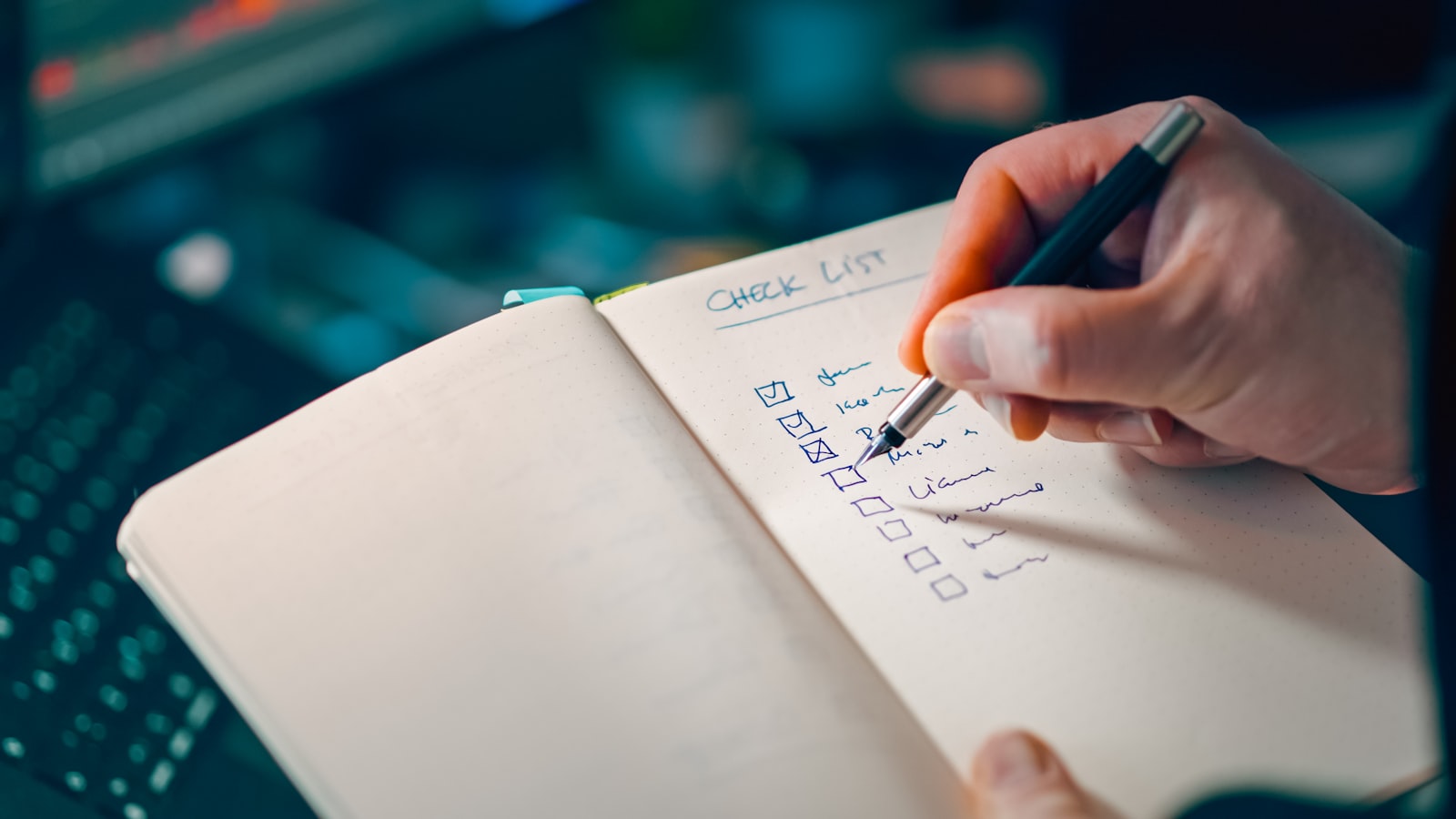
The best questions for a first psychic reading are open and specific: name a real situation you are weighing, not a date or a test. Skip anything you could look up yourself, and skip traps meant to catch the reader out. A good opening question gives them room to tell you something, rather than a coin flip to call.
Why the question does more work than the reader
People spend their prep time picking a reader off ratings and reviews, then walk in with no question at all, or with something so vague the first two minutes evaporate on working out what they even want to know. The question is the actual instrument here. A reader can only respond to what you put in front of them, and a specific question gives even an average reader something to work with, while a vague one makes a good reader sound like a fortune-cookie machine. Look at a transcript from a vague session next to one from a specific session, and the difference is obvious: one reads like a real conversation about your life, the other reads like small talk with a fee attached.
This matters more in a paid-by-the-minute format than people expect. Every second spent explaining what you want to know, or the reader fishing for context, is a second not spent on the actual reading. Walk in with the question already worded, ideally the way you would say it out loud to a friend, and the session starts working immediately instead of warming up. Five minutes sounds like plenty until the first ninety seconds go to explaining who everyone in the story is, and a rambling setup is the single most common reason a free trial ends up feeling wasted rather than useful.
Questions that tend to work
The strongest first questions name a real, current situation and ask what the reader picks up on it, without pre-loading the answer you want to hear. "What do you sense about how things stand between me and this person" gives more room than "Does he still love me," because the second one only has two exits, and a reader who senses something more complicated has nowhere to put it. The same logic holds outside relationships too. "What's actually going on with this job situation" leaves room for an answer you weren't expecting, where "Am I going to get promoted" narrows the entire reading down to a single lever before the reader has said a word.
Timing and pattern questions tend to land well too: what is coming for you in the next few months around work, or why the same argument keeps happening with a sibling. Both give the reader a lane, current facts to check their impressions against, and a genuine unknown at the end, which is the combination a first reading needs in order to prove itself. Pattern questions in particular tend to reward a first-time caller, because they invite the reader to describe something you already half-know and can confirm or correct in real time, which is a faster way to judge a stranger's read on you than waiting months to see if a prediction comes true.
Questions that waste the clock
Yes-or-no questions are the single biggest waste of paid minutes, because they compress a reading down to a coin flip and give you almost nothing to evaluate afterward. "Will I get the job" gets a yes or a no, either of which is roughly fifty-fifty odds before the reader has said a word, and you learn nothing about whether the person on the other end is any good. Ask it as "what should I know about how this interview is likely to go" instead, and the same underlying curiosity produces something you can weigh, rather than a coin landing on one side or the other.
So do questions with an exact date attached, like asking if you will be married by a certain age, and questions that are really requests for permission, such as asking whether you should quit a job you have already decided to leave. A reader telling you what you wanted to hear is not the same as a reading, and pinned dates in particular set up a test that has little to do with whether the session itself was worthwhile. It also puts the reader in an impossible spot, since naming a specific month is the fastest way to be provably wrong later, and a reader who avoids that trap by staying general isn't necessarily being evasive, they're being realistic about what a single session can predict.
Once the question is worded, the cheapest way to see how a reader handles it is a short trial session. Get 5 minutes free with a top-rated psychicClaim your 5 free psychic minutes
The temptation to test them, and why to skip it
A lot of first-timers show up planning to withhold every fact and see if the psychic can guess their way in, treating the session like a trick they are trying to catch. It is an understandable instinct, but it spends the one resource you paid for, the reader's attention on your real question, on a game instead. It also sets up a strange incentive on the reader's side, since a reader who senses they are being tested will often start fishing harder to compensate, which produces exactly the leading-question pattern you were trying to catch them doing in the first place.
If proof matters to you, there is a cleaner way to get it: ask a question you already partly know the answer to, something with a fact you can check afterward, rather than one where you have hidden everything on purpose. That tells you how the reader works without spending the whole session playing defence. A question about a past event you never mentioned online, for instance, is a genuinely useful test, since it can't be guessed from a public profile the way a current relationship status often can.
After the first few minutes
A first reading is really an audition of the reader, not a verdict on the whole practice, so treat the early minutes as diagnostic. Notice whether they ask a string of leading questions before saying anything specific, whether they are willing to say a part is not coming through clearly, and whether what they offer tracks with the situation you described rather than floating above it in a way that could apply to anyone. A useful habit is jotting down the two or three specific things they said right after the call ends, before memory smooths the vague parts into something that sounds more impressive than it was.
Whatever you hear, keep it in the same place you would keep a stranger's strong opinion: useful input, not instruction. That holds especially for anything involving money or medical decisions, where a reading is a mirror to think against, not a plan to follow, and a good reader will say as much themselves if you ask them directly. If a reader ever tells you to stop taking a prescribed medication or to hand over money for a ritual, that is no longer a reading, and it is the one moment worth ending the call over regardless of how good the rest of the session felt.
Common questions
What's the single best question to ask in a first psychic reading?
Something specific and open about a real situation you are already in, phrased so the reader has room to say something other than yes or no. A question like "what do you pick up on my situation with this person" works better than one with a fixed answer already built into it.
Is it a good idea to test a psychic by hiding information?
It is common, but it mostly spends the minutes you paid for on a guessing game instead of your actual question. A better test is asking about something you already partly know, so you can check the answer afterward without turning the whole session defensive.
Should I ask a psychic yes-or-no questions?
It is better to avoid them where you can. A yes-or-no question is right by chance about half the time regardless of the reader's ability, so it tells you very little about whether they are any good, and it leaves you almost nothing to evaluate afterward.
How many questions can I fit into a short first reading?
Fewer than most people expect, especially in a five-minute free trial. One well-worded question with a couple of natural follow-ups is realistic; showing up with a list of eight unrelated questions usually means none of them gets a real answer.
What questions should I avoid asking a psychic?
Skip anything with an exact date attached, anything that is really a request for permission you have already decided on, and plain yes-or-no questions about the future. All three make it hard to tell afterward whether the reading told you anything real.
More on the method
- Angel number 222: what it means when it keeps showing up
- Angel number 444: the structure number, tripled
- Astrology reading vs horoscope app: what's actually different
- August 2026: the month that leaves every day its own energy
- Ben ming nian: surviving your own zodiac year
- Best day to launch a business, worked through
- Best day to sign a contract, by the numbers
- Best wedding dates for 2027, by the numbers
- Birthday number vs life path number
- Born on the 1st, 10th or 19th: the other 1 birthdays
- Born on the 28th of the month
- Business name numerology, without the superstition
- Can a psychic tell if your partner is cheating?
- Chinese New Year 2027: date, animal, element
- Chinese zodiac enemy signs and secret friends
- The five elements in Chinese astrology
- Your inner animal: Chinese zodiac signs by hour of birth
- Which Chinese zodiac signs should not marry
- The four trines: which zodiac animals are allies
- December 2026: the month that wants structure under the holidays
- Dreaming of numbers: what repeating digits in dreams mean
- Empath protection and energy cleansing: what a session actually involves
- Enemy numbers in numerology
- Fire Horse babies: the 1966 superstition and 2026
- Free psychic reading minutes: how the offers actually work
- Horse year check-in: Dragon to Goat
- Horse year check-in: Monkey to Pig
- Second half of the Horse year: Rat to Rabbit check-in
- How to calculate a universal day number
- How to choose a psychic reader
- How to tell if a psychic is real
- Important ages in numerology
- Karmic debt numbers 13, 14, 16 and 19
- Friendly and enemy numbers for life paths 1, 5 and 9
- Life path 1 born in a Dragon year
- Life path 11 born in a Horse year
- Friendly and enemy numbers for life paths 2, 7 and 8
- Life path 2 born in a Dog year
- Life path 22 born in an Ox year
- Life path 28/1: the long way to a 1
- Friendly and enemy numbers for life paths 3, 4 and 5
- Life path 3 born in a Tiger year
- How rare is a 33 life path, really
- Life path 4 born in a Goat year
- Life path 5 born in a Horse year
- Life path 6 born in a Rabbit year
- Life path 7 born in a Snake year
- Life path 8 born in a Rat year
- Life path 9 born in a Pig year
- Live numerology reading: what it adds over a report
- The luckiest life path numbers, ranked honestly
- The three numbers your date of birth already gives you
- Which numbers can undo a master number
- Master numbers 11, 22 and 33
- Medium vs psychic: the actual difference
- November 2026: the month that won't stop talking
- How the numbers-and-animals system fits together
- Numerology reading vs psychic reading
- October 2026: the month every day needs a partner
- Past life reading: what actually happens
- Personal day number meanings
- Personal year 9 in 2026
- Your personal year number for 2027
- Pet medium reading: what actually happens in a session
- Can a psychic give you lucky numbers?
- A career reading when the money numbers say wait
- Psychic readings by chat, phone or video
- Seeing 28 everywhere: what it means
- September 2026: the month that steps every day forward
- Soulmate reading: psychic vs numerology
- Tarot reading vs psychic reading: which to book
- What element is your Chinese zodiac sign
- Energy healing: what it is and what to expect
- Will my ex come back? What a love reading can and cannot tell you
- Year of the Goat 2027: an early preview
- Try it on any date with the calculator